Spot Cleaner in London

Spot Cleaner provides spot cleaning in London for carpets, upholstery, rugs and other soft furnishings that need targeted attention rather than a full-room clean. This service is suited to marks, spillages and localised staining where the aim is to treat the affected area carefully and reduce visible residue without over-wetting the material. Our work focuses on sensible stain treatment, fabric-aware methods and neat finishing, with the approach chosen to suit the item and the problem.
Where a mark is on a delicate pile, patterned textile or mixed-fibre item, the method matters as much as the stain itself. We can look at the type of fabric, the age of the mark and the surrounding condition before deciding how to proceed. That means using the right level of agitation, the right product strength and the right drying approach, rather than treating every stain as though it were identical. If you need a focused clean for one item or one area, this is the kind of work we are set up to handle.
For a straightforward enquiry, it helps to say what has been marked, roughly how large the affected area is and whether the item has already been treated. You do not need a full technical description; a clear message is usually enough to start the conversation. If you would like to compare options, you can first review our spot cleaning service page and then ask for a quotation when you are ready.
Targeted cleaning for carpets, upholstery and rugs
Spot cleaning is not just about removing a stain from the top surface. Different materials absorb liquids differently, and a spill may travel further than it appears at first glance. On carpet, the concern may be pile distortion, backing dampness or a mark ring; on upholstery, the issue may be fibre reaction, dye movement or the risk of spreading the stain into a larger patch. We use a considered process so the treatment stays focused on the problem area.
For many enquiries, the most useful first step is to identify the item and the likely stain source. Food and drink, cosmetics, mud, ink and general household marks may each need a different treatment path. A careful spot clean can help minimise the appearance of isolated damage while keeping the rest of the textile looking consistent. Localised cleaning is often a better choice than immediate full replacement or over-treatment, especially when the item is otherwise in good condition.
- Carpet spots on visible walkways and room edges
- Small upholstery marks on sofas, chairs and cushions
- Rug spillages that need attention without unnecessary agitation
- Patch cleaning for isolated marks where a full clean is not required
How our stain treatment is planned
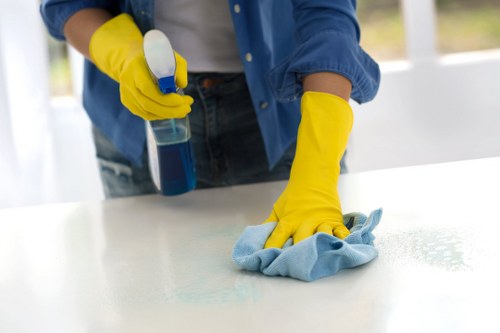
Good stain treatment starts with inspection rather than guessing. The age of the mark, the fabric type and any previous cleaning attempts all affect the result. Some stains respond well to gentle flushing; others need a more measured chemical process, and some can be made worse by rubbing or the wrong temperature. We aim to match the method to the material so the clean is practical, controlled and appropriate to the item.
That is why one mark can be treated in several different ways. A spill on a synthetic sofa cushion may tolerate a different approach from a mark on a wool carpet or a textured rug. We also consider whether the stain has already set, whether it contains grease or tannin, and whether there is a risk of spreading. The outcome you want is not just a lighter mark, but a treatment that leaves the surrounding area looking balanced.
When asking for a quotation, the clearest details are often the simplest: where the mark is, what caused it if known, and whether the item is removable or fixed in place. A photo can be helpful, but it is not always essential. Please do not scrub the stain first if you want the best chance of a controlled treatment, because well-meant rubbing can push the mark deeper into the fibres.
Carpet spot cleaning and localised stain removal
Carpet spots often need a slightly different approach from general carpet cleaning because the aim is to treat a defined area without creating a noticeable boundary. That means considering pile direction, moisture spread and how the carpet dried previously. We can work on recent spillages, older marks and problem patches where the original spill has left a dull or discoloured area. The method is chosen to suit the carpet’s construction and the mark’s severity.
In some cases, a stain may not vanish completely, especially if it has affected the dye or caused permanent fibre change. Honest expectations matter here. A careful clean can still improve the appearance substantially, reduce sharp contrast and make the area less distracting. We do not promise miracle results, but we do aim for a tidy, professional finish using sensible spot-specific treatment rather than unnecessary broad cleaning.
Price can vary according to stain size, material type and whether the mark needs repeated treatment. One compact mark is not the same as a patch that has spread under furniture or along a traffic line. If you are preparing a request, it helps to note whether the carpet is wool, synthetic or blended, because fibre response influences the work needed and the time involved.
Upholstery and sofa spot treatment

Upholstery cleaning calls for caution because sofas, armchairs and dining seats often combine different fillings, fabrics and trims. A mark on a scatter cushion cover may be straightforward, while a mark on a fixed seat pad or a seam area needs more care. We can treat visible spots on many upholstered items, taking account of the fabric finish and the way the item is made so the work remains focused and controlled.
Liquid spillages, hand-transfer marks and food residue are common reasons for upholstery spot cleaning. We pay attention to the edges of the stain, because that is where a halo can form if the work is rushed. The aim is to lift the mark evenly and finish with a dry, neat result rather than simply making the centre lighter. If the fabric is sensitive, we may use a gentler method and manage expectations accordingly.
For furniture care, a little preparation helps. Let us know whether the item has loose covers, whether there are any existing repairs and whether the stain is fresh or old. If practical, clear a small working space around the item so access is easier. If you are comparing options, our upholstery cleaning page explains the broader service available alongside spot treatment.
Rug marks, fibres and finishes
Rugs can be particularly sensitive because they often combine decorative dyes, varied pile heights and natural fibres that respond differently to cleaning. Spot work on a rug may need to avoid excessive saturation, colour bleed or distortion of the weave. We treat visible marks with an eye on the overall appearance, because even a small stain can stand out strongly on a patterned or lightly coloured rug.
Some rugs benefit from a very restrained approach, especially where the dye is unstable or the backing is delicate. Others can tolerate more direct stain treatment, provided the method is chosen carefully. We assess the likely behaviour of the material before proceeding, which helps reduce the chance of turning a small mark into a larger cleaning edge. This is particularly important when the rug sits in a prominent room or entrance.
When a rug needs broader attention as well as spot work, a fuller clean may be more suitable. If you want to understand that option too, take a look at our rug cleaning page. Otherwise, a brief description of the mark and the rug type is usually enough to request a quotation for a targeted clean.
About London
London is a vast capital shaped by centuries of settlement, trade and civic growth, with a geography that stretches along the River Thames and across a patchwork of historic villages, boroughs and modern commercial districts. The City of London remains the ceremonial and financial core, while Westminster, Whitehall and the West End contain many of the capital’s best-known political, cultural and retail institutions. Beyond the centre, the city expands through inner districts such as Camden, Islington, Southwark, Hackney and Lambeth, each with its own street pattern, housing stock and local identity. London’s urban form reflects repeated waves of rebuilding after fire, war and redevelopment, which is why Georgian terraces, Victorian mansion blocks, post-war estates and contemporary towers can sit in close proximity. The river and its crossings have long influenced movement and commerce, while green spaces such as Hyde Park, Regent’s Park, Hampstead Heath and Richmond Park give the city broad open areas within a dense built environment. Museums, theatres, markets, galleries and music venues are woven into daily life, and the transport network links neighbourhoods by Underground, rail, bus, river services and cycle routes. Architectural landmarks range from the Tower of London and St Paul’s Cathedral to the Palace of Westminster, the British Museum and the South Bank cultural quarter. The result is a city of contrasts: formal and informal, historic and contemporary, intensely local yet internationally recognised, with a settlement pattern that continues to evolve around its boroughs, town centres and regenerated waterfronts.
Cleaning methods chosen to suit the item
There is no single spot cleaning method that works best for every material. Some jobs need minimal moisture and careful blotting, while others benefit from targeted application, fibre-safe product selection and controlled extraction. The point is to avoid unnecessary treatment that might create a larger visible area than the original stain. A precise clean is often better than an aggressive one, especially where the item is still in good overall condition.
We also take account of the finish you want to keep. On a pale carpet, for example, the goal may be to reduce the contrast of the spot without flattening the surrounding pile. On a sofa, the challenge may be to clear the mark while preserving the even look of the fabric. A careful method supports that balance. Good results come from restraint as much as from effort.
If you have already tried a home remedy, mention it when you enquire. Some products change the way a stain reacts, particularly on natural fibres and delicate fabrics. That information helps us judge whether the area needs a lighter or more cautious approach. It is also useful to know whether the stain is still damp, partly dry or fully set before we plan the work.
When a spot clean is the right choice
Spot cleaning is useful when the damage is localised and the rest of the item remains in decent condition. It can help with one-off spillages, isolated marks near seating areas and stains caused by everyday use. It is also a practical option when you want to treat only the affected patch rather than carry out a broader clean across the whole carpet or piece of furniture. That makes the service efficient without being excessive.
Not every stain is best handled in the same way. If the mark has spread widely, if the item has multiple problem areas or if a more general refresh is needed, a wider clean may be more suitable. A careful spot treatment can still be part of that plan, but the scope should match the condition of the item. We aim to recommend the sensible level of cleaning for the problem in front of us.
For a quicker enquiry, it is helpful to say whether the mark is on carpet, upholstery or a rug, and whether the item needs access arranged around furniture. If you already have a preferred date in mind, mention that too. You can also use the pricing and quotes page if you want to ask for a quotation in a more structured way.
Supporting services and related care
While spot cleaning is our main focus here, some customers also need more than one type of fabric care at the same time. That can include a broader soft furnishing clean, a carpet refresh in a room with several marks or targeted treatment after a spill has affected more than one item. The benefit of coordinating these tasks is that the cleaning plan can be matched to the textile type, the stain history and the level of wear.
If you are deciding what to ask for, a short written description often works well. Mention the room or item, the visible mark, and whether there are children, pets or high-traffic areas involved, as these can influence the sort of residue found on the surface. Keep the message factual and concise, and we can help with the rest. Clear details make it easier to quote sensibly and plan the right level of work.
For customers who want to compare our wider cleaning pages, the carpet cleaning services page and our home cleaning page offer additional context. If the mark is part of a larger domestic clean, those pages may help you decide whether you need a targeted stain treatment or a broader appointment.
Request a quotation for spot cleaning

A quotation for spot cleaning is easiest to prepare when the scope is clear. Tell us what needs treating, where the item is located and whether the mark is on carpet, upholstery or a rug. If the stain is old or has already been treated, include that detail as well. We can then judge the most suitable method and advise on the likely level of work without overcomplicating the process. The aim is a practical, well-matched quote.
There is no need to write a long explanation. A brief message with the basics is usually enough to start. If you can, note the fabric type, any access constraints and whether the item can be moved. That helps us keep the quotation accurate and the plan realistic. When you are ready to proceed, send the details and ask us to look at the job as a targeted spot cleaning request.
Contact us for a quotation and let us know the item, the stain and the area you want treated. If you prefer to compare service details first, revisit the relevant page and then come back with your enquiry. We will use the information you provide to respond with a straightforward, work-focused estimate.